
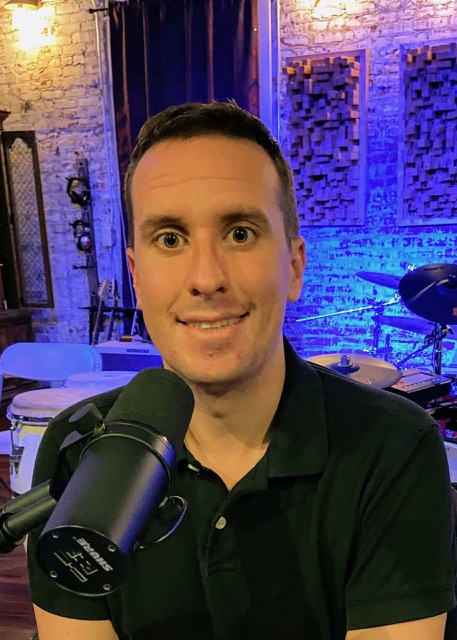
Robert “Bob” Schmus was diagnosed with autism and ADD at the age of 15. Now in his late 30s, he works as a licensed clinical social worker in New Jersey and Pennsylvania and speaks openly about his neurodivergence in the context of his professional life and the work he has chosen to pursue.
Rather than centering his story on diagnosis alone, Bob reflects on how neurodivergence influences his clinical practice, decision-making, and relationships with clients and colleagues. Throughout his career, disclosure, understanding, and acceptance have shaped where he felt able to do his best work, sometimes through support and sometimes through harm.
Entering the Mental Health Field After Graduate School
Upon completing graduate school, Bob entered the mental health field through outpatient and institutional settings. He began as a per diem outpatient therapist in a clinic, working on an as-needed basis for several months. Soon after, he accepted a counselor position at a private halfway house prison serving incarcerated men nearing the end of their sentences.
This role became Bob’s first full-time position. He described it as an interesting experience but also acknowledged that it was particularly challenging.
“There are a lot of things that were pretty hard for me when doing that work,” he said, adding that “it was a tough population to work with.”
Bob remained in that role until 2016. Over time, the restrictive nature of the corrections environment conflicted with his values and approach to care. He felt increasingly limited in his ability to provide meaningful emotional and psychological support.
“We were so restricted on what we did and we couldn’t meet them where they were,” he explained. “It felt like we had to be more like babysitters and we had to be like disciplinarians, which is just not in my nature.”
The inability to meet clients where they were emotionally left Bob feeling frustrated and constrained.
Working With Neurodivergent Adolescents and the Pain of Being Dismissed
In 2016, Bob stepped into a clinical team leader role at a residential home for neurodivergent adolescents in crisis. The role was expansive and demanding. He delivered individual and family therapy, facilitated group sessions, conducted assessments, supported intakes, and collaborated with teachers, psychiatrists, behaviorists, residential staff, and families.
Bob deeply valued this work and the young people he supported. Yet, this period also introduced one of the most painful experiences of his career.
The work felt constrained by systems that limited meaningful care. Policies, restrictions, and limited resources prevented him from meeting the youth where they were and offering the level of support he felt was needed.
Because the environment centered on neurodivergent youth, Bob chose to disclose that he was autistic. The response from a supervisor was deeply unsettling. He was told that people would be taken aback by him being autistic and that he should refrain from disclosing. The comment left him feeling diminished and misunderstood, particularly given the context.
“I thought that was really unjust,” Bob reflected.
He felt the comment dismissed his strengths and overlooked the insight he brought to the role. Over time, repeated supervisory changes and miscommunication compounded the strain. Ultimately, Bob was terminated.
“That must’ve been one of the hardest things in my life, to get terminated,” he said.
Resilience, Recovery, and Finding the Right Fit
One week later, Bob interviewed with a youth services agency and received a job offer. He began working as a clinician in a pre-placement halfway house serving a similar population, but in a longer-term setting. The contrast was immediate and affirming. Bob felt understood and valued as both a clinician and a neurodivergent professional.
“It was a very supportive environment,” he said. “I loved the managers I worked with, the supervisors and the youths there, the co-workers, everyone was great.”
The difference, for Bob, came down to leadership and culture. In this environment, when he disclosed that he was autistic, he was met with respect rather than hesitation. Supervisors were approachable and open to collaboration. They would always meet him where he was, were receptive to new ideas, and were willing to identify ways to provide support. Bob also noted that morale was strong, which contributed to a sense of stability and trust.
Practicing Therapy Through Empathy and Strengths
Today, Bob works as an outpatient therapist at Lower Merion Counseling and Mobile Services. He supports both neurodivergent and neurotypical clients, bringing a strengths-focused, relational approach to his practice.
Being neurodivergent shapes how Bob engages in therapy. He views it as a lens that allows him to approach situations from a different perspective, strengthening his ability to empathize. This is especially true when supporting neurodivergent clients, as his own lived experience helps him understand their challenges more deeply.
Bob emphasizes that shared neurodivergence does not erase individual differences. Each person’s journey is unique. Still, lived experience allows for connection. His clinical approach centers on identifying strengths and using them as tools for growth.
“When I work with clients, I like to identify what their strengths are, and they can be used as skills to help them reach their goals in treatment.”
Disclosure, Self-Care, and Advocacy
Disclosure, once painful, now feels affirming in Bob’s current workplace. He is intentional, choosing to disclose after a rapport is established with coworkers and clients. This transparency has strengthened trust and empathy on both sides of the relationship. Knowing that Bob is also neurodivergent helps clients feel seen and understood, even when their experiences differ from his own.
Outside of clinical work, Bob is an active advocate. He gives talks and writes articles focused on neurodivergent experiences, challenging deficit-based narratives and highlighting strengths. Sustaining this work requires intentional self-care. For Bob, that means doing things that recharge him, including working out, reading, traveling, and painting.
When asked what he wishes leaders understood about neurodiversity, Bob emphasized capability and strengths. Neurodivergent people can accomplish meaningful work. They bring insight, creativity, and value. A neuro-affirming workplace, he said, is:
“A place that’s accepting of neurodivergent individuals and accepting of the ideas that they have.”
To learn more about Bob’s advocacy, writing, and speaking work, readers can follow him on Instagram at @vintage_bob_1989, connect with him on LinkedIn, or explore his portfolio and projects through the links below. He can also be reached by email at schmus898@gmail.com.
SpeakerHub (Portfolio): https://speakerhub.com/speaker/robert-schmus
Schmus & St. Clair (Company): https://schmus898.wixsite.com/schmusstclair